

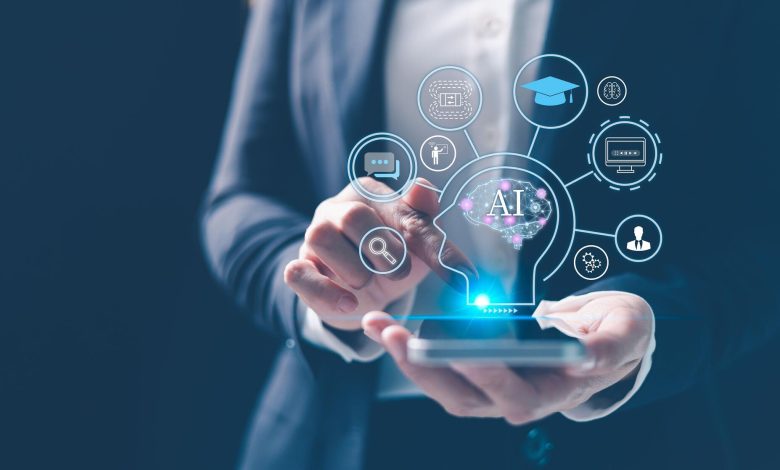
The rapid integration of artificial intelligence into workplaces has sparked fundamental questions concerning the future of the workforce and how far employees should depend on AI tools.
As the need for a balance between greater productivity and the preservation of creativity and independent thinking grows, human skills are becoming the true competitive advantage and a defining force in shaping the future of the labor market.
Are Employees Becoming Too Dependent on AI?
According to CNBC Make It, a recent study by GoTo and Workplace Intelligence, which surveyed 2,500 IT leaders and employees, found that half of respondents believed they were becoming too dependent on AI. Meanwhile, 39% said these tools were restricting their cognitive abilities.
Another 41% expressed concerns about how AI could affect their future career prospects, while 30% acknowledged that they would not be able to carry out their jobs without AI tools.
At a Critical AI Turning Point, Where Does Human Thinking Stand?
Dan Schawbel, an expert on the future of work, said organizations and employees are reaching a pivotal stage. While AI has become an essential part of the modern workplace, he noted that future success will not favor those who become overly reliant on technology.
Rather, it will prefer those who understand how to use AI as a supportive tool to improve performance while preserving human thinking.
Reviewing AI Use Can Improve Performance
Schawbel recommends that employees review their AI use on a weekly basis. The study revealed that 60% of respondents felt pressured to use AI technologies to foster productivity, even when the tasks did not necessarily require them.
Without regular reassessment, this pattern could turn AI reliance into a habit that eventually limits the development of professional skills.
Schawbel therefore suggests keeping a weekly list of all tasks assigned to AI and spending 10 minutes at the end of each week reviewing the results through two basic questions:
- Did using the technology improve the quality of the output?
- Could I have completed the task independently?
This review can help employees determine where AI genuinely adds value and distinguish those tasks from others that should be completed independently to strengthen their expertise.
The goal, therefore, should be conscious use of technology rather than complete dependence on it. This approach allows employees to benefit from AI’s time-saving capabilities while maintaining the human skills essential to professional excellence and sound decision-making.
Complex Work Builds Practical Expertise
Remarkably, the study found that 70% of employees admitted to using AI inappropriately for sensitive or high-risk tasks, including handling difficult conversations or making decisions that demand emotional intelligence and careful professional judgment.
In this context, Schawbel argues that these tasks are exactly what enable employees to build practical expertise.
For this reason, employees should handle them themselves before assigning them to AI or other supporting tools.
Human Thinking Should Come Before AI
Schawbel recommends spending at least 15 minutes working independently on a task, whether by preparing an initial draft or developing the central idea, before using AI to review or refine the work.
Instead of asking AI to create the entire piece from the beginning, employees should develop their own ideas first and then use the technology as a tool for editing and improvement.
The study also highlighted another concerning trend: 43% of employees admitted to using AI-generated outputs despite suspecting that they contained errors or inaccurate information.
Meanwhile, 31% of respondents said they felt an unspoken pressure to trust AI-generated outputs rather than question them.
Another 14% said they had reported such errors to their managers but were asked not to pursue the issue further.
These findings reinforce the continued importance of human judgment and the ability to critically assess information.
Human Capabilities Remain a Competitive Advantage
Schawbel underscores the importance of using the time saved through AI to strengthen skills that technology cannot fully reproduce.
He argues that creativity, emotional intelligence, and sound judgment remain fundamental to success in modern workplaces.
These qualities can also continue to provide employees with a competitive advantage, regardless of how quickly technology evolves.
Creative Thinking
The study also found that employees view creative thinking, emotional intelligence, and the ability to recognize when to trust AI and when to reject its recommendations as some of the most important skills for the future.
Schawbel therefore recommends selecting one area of expertise and intentionally developing it every three months. This could include customer relationship management, analysis and decision-making, or team leadership.
Ultimately, the report concludes that the future of work will not depend on how extensively people use AI, but on their ability to find the right balance between technology and human expertise.
As digital tools continue to evolve, human capabilities will remain among the key factors shaping professional success.
Related Topics:
Eric Schmidt: From Leading Google to Shaping the Future of Artificial Intelligence
Types of jobs at risk of being replaced by Artificial Intelligence
xAI’s AI Talent Shake-Up: Betting Big on Specialized AI Talent