


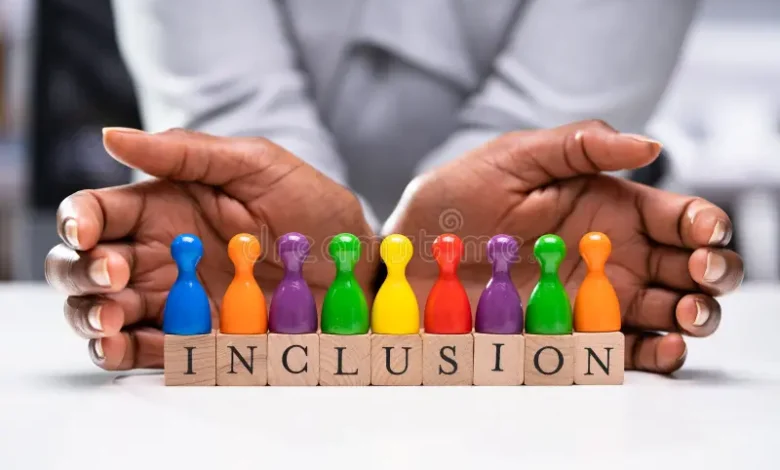
By Dr. Stephen Glasko, Vice President, Edinburgh Business School & School of Social Sciences, Heriot-Watt University Dubai
“Diversity is the foundation; inclusion is the engine. Together, they define the future of work.”
In recent years, workforce diversity has become one of the most widely discussed issues in the corporate world.
Legislative initiatives and market demands for greater representation have encouraged organizations to create more culturally inclusive workplaces.
However, despite these efforts, many diversity programs have failed to achieve sustainable results.
Some organizations introduce initiatives, abandon them, and later bring them back; a cycle often driven by misunderstanding, misconceptions, or resistance.
Diversity as a Strategic Priority
Meta, for instance, made diversity, equity, and inclusion (DEI) a strategic priority in 2019, with the goal of having 50% of its workforce come from diverse backgrounds by 2024.
However, by 2025, the strategy had largely been dropped, as inclusion policies were scaled back following growing criticism of DEI.
This example shines a spotlight on a broader challenge: efforts designed to improve representation may be viewed as preferential treatment rather than genuine attempts to promote fairness.
Such setbacks can undermine the true purpose of diversity and equity in the workplace.
“Diversity shouldn’t be controversial. Managed correctly, it drives tangible business outcomes: innovation, better decision-making, and access to top talent.”
Why Diversity Matters
Diversity goes far beyond surface metrics such as age, gender, or ethnicity.
True diversity encompasses:
- Cultural and educational backgrounds
- Life experiences and perspectives
- Ways of thinking that challenge conventional approaches
Research consistently demonstrates that diverse teams outperform homogeneous teams. A McKinsey report, “Diversity Matters”, analyzed 1,265 companies across 23 countries, finding that those in the top quartile for executive-team diversity financially outperformed those in the bottom quartile by 39%.
Yet simply assembling a diverse workforce is not enough.
Without an inclusive culture, organizations risk losing the potential of these varied perspectives. Employees must feel that their ideas are valued and their contributions have real impact.
Otherwise, diversity becomes a checkbox exercise rather than a driver of innovation.
The Role of Inclusive Leadership
Inclusive leadership turns diversity into a source of organizational strength.
Leaders who adopt this approach:
- Build a culture of respect and empowerment, making sure every voice is valued regardless of background
- Promote open communication and encourage constructive debate
- Bring diverse perspectives into strategic decision-making
Building an inclusive workplace often starts with organizational systems. These can include:
- Processes that enable employees to provide feedback without fear
- Consultation channels that gather input from diverse teams when developing strategies
- Programs that encourage experimentation and learning from different approaches
By making inclusion part of the organizational culture, companies can use diverse expertise to gain a competitive advantage.
The Middle East: A Unique Diversity Landscape
The Middle East presents a particularly unique environment for diversity.
In the UAE, for example, expatriates from over 200 nationalities constitute roughly 88% of the population.
This results in a workforce with unprecedented breadth of ideas, experiences, and approaches.
Companies in this region are naturally positioned to harness this diversity:
- Faster learning and adaptation under pressure
- Enhanced decision-making through varied perspectives
- Increased innovation and flexibility
“In a region where diversity is a given, inclusion becomes the differentiator. Leaders who embrace it will cultivate resilient, innovative, and high-performing organizations.”
Turning Diversity into Sustainable Advantage
Ultimately, the aim is to move beyond tokenism and genuinely integrate inclusion into the organizational culture.
Inclusive leaders understand that:
- Diversity without inclusion leaves potential untapped
- Employee engagement, satisfaction, and innovation flourish in inclusive workplaces
- Business performance benefits when teams represent a range of lived experiences and perspectives
By actively recognizing and incorporating diverse viewpoints, leaders can unlock an organization’s full potential, building workplaces that are not only productive but also resilient, innovative, and prepared for the future.
Bottom line: Diversity lays the groundwork, but inclusive leadership shapes the framework. In today’s fast-changing business environment, success belongs to organizations that recognize the importance of both and commit to making them inseparable.
Related Topics:
The Leadership Blind Spot Between Data and Decision
Start-Up Business Accelerators in the Kingdom: A Unique Tool to Ease the Leadership Experience
Dr. Nabil Koshk: A Distinguished Saudi Entrepreneur in Innovation and Business Leadership