
Eco-Friendly Packaging: A Promising Investment Opportunity Amid E-Commerce Growth

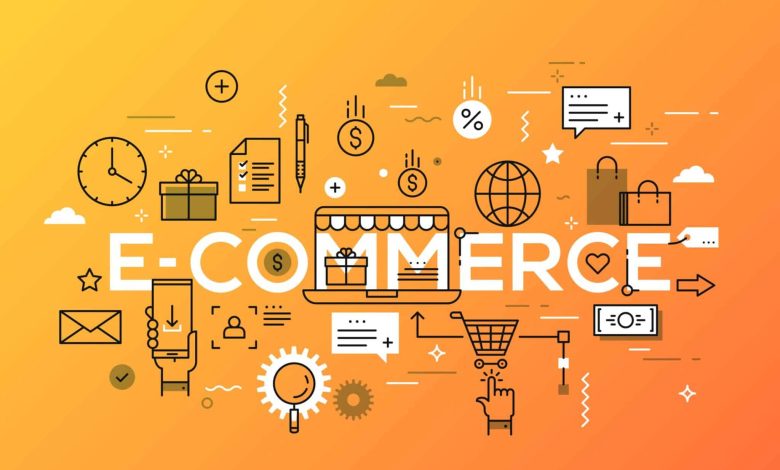
The rapid expansion of e-commerce is opening up new investment opportunities for innovative businesses, particularly those offering practical solutions to reduce waste and improve shipping efficiency.
Among these opportunities is an eco-friendly packaging business specializing in the manufacture and supply of shipping bags and cartons made from recycled or biodegradable materials.
The sector is becoming increasingly attractive as environmental awareness grows among consumers and major companies introduce sustainability requirements across their supply chains.
Beyond supplying essential shipping materials, the business can help online retailers deliver a more professional customer experience through custom-designed packaging that reinforces brand identity and strengthens customer recognition.
The Business Model
The business model centers on supplying packaging products in bulk to online retailers, with additional revenue opportunities through custom printing services and recurring supply contracts.
This flexible structure allows entrepreneurs to launch the venture through a small manufacturing unit or by partnering with existing factories, then gradually expand operations in line with market demand.
Global Growth Prospects
According to estimates from Grand View Research, the global e-commerce packaging market is projected to reach approximately $62.04 billion in 2026 and grow to $126.37 billion by 2034, representing a compound annual growth rate of 9.3%.
Other market estimates suggest that the sector could reach $124.4 billion in 2026 and expand to $392.9 billion by 2033. These substantial differences reflect variations in market definitions, research methodologies and the segments included in each estimate.
More broadly, the global eco-friendly packaging market is projected to reach $277.32 billion in 2026, rising to $536.16 billion by 2035 at an annual growth rate of 7.6%.
Other forecasts estimate that the green packaging market could reach $744.14 billion by 2036, driven by greater reliance on recycled materials and policies aimed at reducing pollution.
The Custom Packaging Market
Meanwhile, the custom packaging market is estimated at approximately $27.5 billion in 2026, with a projected growth rate of 5.7% through 2030. At the same time, the molded fiber packaging market is expected to reach $16.38 billion by 2034.
Together, these trends point to opportunities for diversifying product offerings, ranging from mailing bags and shipping cartons to environmentally preferable protective packaging materials.
Investment Drivers and Key Success Factors
One of the venture’s main competitive advantages is the recurring demand from e-commerce businesses for paper-based packaging and protective materials. This can help establish a stable customer base and generate more predictable revenue, particularly when supported by long-term supply agreements.
Offering a range of sizes, materials and specifications also enables the business to serve different customer segments, from start-ups and small online retailers to established companies with substantial shipping volumes.
Sustainable Packaging Solutions
The shift toward sustainability creates an opportunity to differentiate the business from conventional suppliers, particularly by offering reliable materials supported by credible quality certifications and verifiable environmental credentials.
Operational transparency can help build trust among consumers and corporate clients while avoiding unsupported environmental marketing claims.
Custom printing and design are also important sources of added value and commercial differentiation. These services allow retailers to communicate their visual identity more effectively and create a consistent brand experience from the moment an order arrives.
Ultimately, the venture’s success will depend on more than price competition. Product quality, reliable delivery schedules and flexibility in meeting individual customer requirements will be equally important.
Steps to Establish the Business
- Define the product range. Potential offerings include biodegradable mailing bags, shipping cartons made from recycled cardboard and environmentally preferable internal protective packaging.
- Start with a focused selection. Launch with a limited range of core products, then introduce additional items based on customer needs and sales performance.
- Identify reliable suppliers. Source raw materials from trusted suppliers and verify product specifications, certifications and suitability for their intended applications.
- Test packaging performance. Assess the strength and protective capabilities of each product during transportation. Sustainable packaging cannot deliver commercial value if it causes damaged shipments or increases return rates.
- Choose the right operating model. Decide whether to establish a small production line or enter into partnerships with specialized manufacturers.
- Consider outsourced manufacturing. Contract manufacturing can reduce initial capital requirements and allow the business to test demand before investing in production facilities.
- Develop customization services. Focus on design, printing and tailored packaging solutions, then consider direct manufacturing when order volumes are sufficient to justify the operating costs.
Marketing and Revenue Model
The business should develop a clear product catalogue outlining available items, sizes, order quantities, wholesale prices, and printing and customization options.
Packages can be tailored to different customer segments, including small online retailers and larger companies requiring regular supplies. Customization options should allow clients to adapt packaging to their individual brand identities.
Potential customers can be reached through e-commerce platforms, online communities for store owners and marketing agencies. Direct outreach to companies that ship products regularly can also help establish business relationships.
Marketing communications should emphasize packaging quality, customization capabilities, reliable supply and the verified environmental characteristics of the materials used.
Revenue can be generated through wholesale product sales, design and printing fees, and recurring supply contracts.
Preparing a Financial Plan
A detailed financial study is essential. It should cover raw materials, manufacturing, printing, storage, shipping and marketing, alongside minimum order quantities and projected profit margins.
This analysis can help establish competitive prices, identify the most profitable products and prevent premature expansion before demand becomes sufficiently stable.
The Project’s Future and Expansion Opportunities
An eco-friendly packaging venture brings together the growing needs of e-commerce and the increasing emphasis on sustainability. However, success requires a structured approach that balances product quality, costs and the ability to meet customer orders consistently.
Design and printing services offer opportunities for differentiation, particularly among online retailers seeking to strengthen their brand identities and provide packaging that meets customer expectations.
Building a Sustainable Business
Ultimately, the venture’s long-term success will depend on selecting the right products, developing a reliable network of suppliers and customers, verifying environmental claims and managing costs efficiently.
Through gradual expansion and continued investment in customization services, the business can establish long-term supply relationships with online retailers and turn recurring demand for shipping materials into a scalable and sustainable commercial enterprise.
Related Topics:
Open Finance: A Revolution in Financial Data Management, Fostering Innovation in Business Models
Franchise Boom: Unlocking Growth and Opportunity for Entrepreneurs