


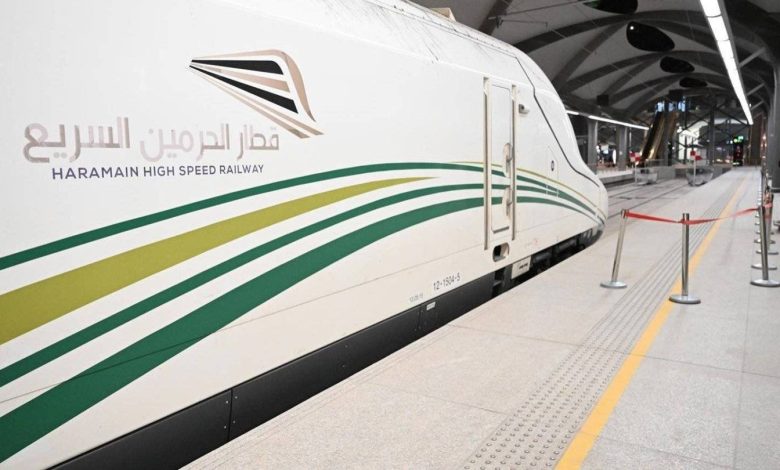
In a remarkable milestone for Saudi Arabia, the General Authority for Transport recently revealed notable achievements in the Kingdom’s rail sector, spotlighting the dramatic progress of the national strategy for transport and logistics services.
Saudi Arabia’s Rail Revolution
In the third quarter of 2025 alone, more than 39 million passengers traveled across the Kingdom’s various railway networks, reflecting the growing confidence of citizens and residents in modern, safe, and efficient rail transportation as an essential means of mobility.
Among the Kingdom’s diverse rail services, the Haramain High-Speed Railway stands at the heart of Saudi Arabia’s ambitious transport vision.
With more than 2.07 million passengers recorded during the same period, the Haramain line has demonstrated its pivotal role in supporting the movement of pilgrims, residents, and business travelers.
By connecting the holy cities of Mecca and Medina with the commercial centers of Jeddah and King Abdullah Economic City, the railway depicts an exceptional blend of speed, convenience, and comfort in a modern travel experience.
What Makes the Network More Connected?
Beyond the Haramain Railway, other rail networks have made a significant contribution to passenger mobility.
The Saudi Railway Company’s intercity network, known as SAR, carried nearly 251,000 passengers, while the Eastern Province line served 378,000 travelers.
Together, these figures stand as a testament to the complementary role of the Kingdom’s railway infrastructure, which is making both urban and intercity travel increasingly safe, reliable, and efficient.
Driving Riyadh’s Mobility Forward
Remarkably, commuter rail systems have seen strong uptake across urban areas, particularly in Riyadh.
During the quarter, more than 25.2 million passengers used the Riyadh Metro, accounting for a significant share of the 36.3 million urban rail users recorded overall.
This rising demand reflects the unparalleled success of urban transit projects in reducing traffic congestion, improving air quality, and enhancing everyday life in rapidly expanding metropolitan areas.
That is why efficient and dependable public transportation has become more than a convenience; it is now an integral part of urban life.
How Is Automation Transforming Transit?
More boldly, automated transit systems have further bolstered the Kingdom’s mobility network.
The automated people mover at King Abdulaziz International Airport in Jeddah, for example, served more than 10.2 million passengers, while the system at Princess Nourah Bint Abdulrahman University in Riyadh carried approximately 967,000 riders.
These figures illustrate the ability of advanced infrastructure to meet the needs of high-traffic locations, including airports, universities, and other essential facilities.
The Economic Power of Rail
The influence of Saudi Arabia’s railways extends far beyond passenger transport.
Rail has become a key contributor to economic efficiency and sustainability, particularly across logistics and freight operations.
During the reporting period, railway lines carried more than 4.09 million tons of goods and over 227,000 containers.
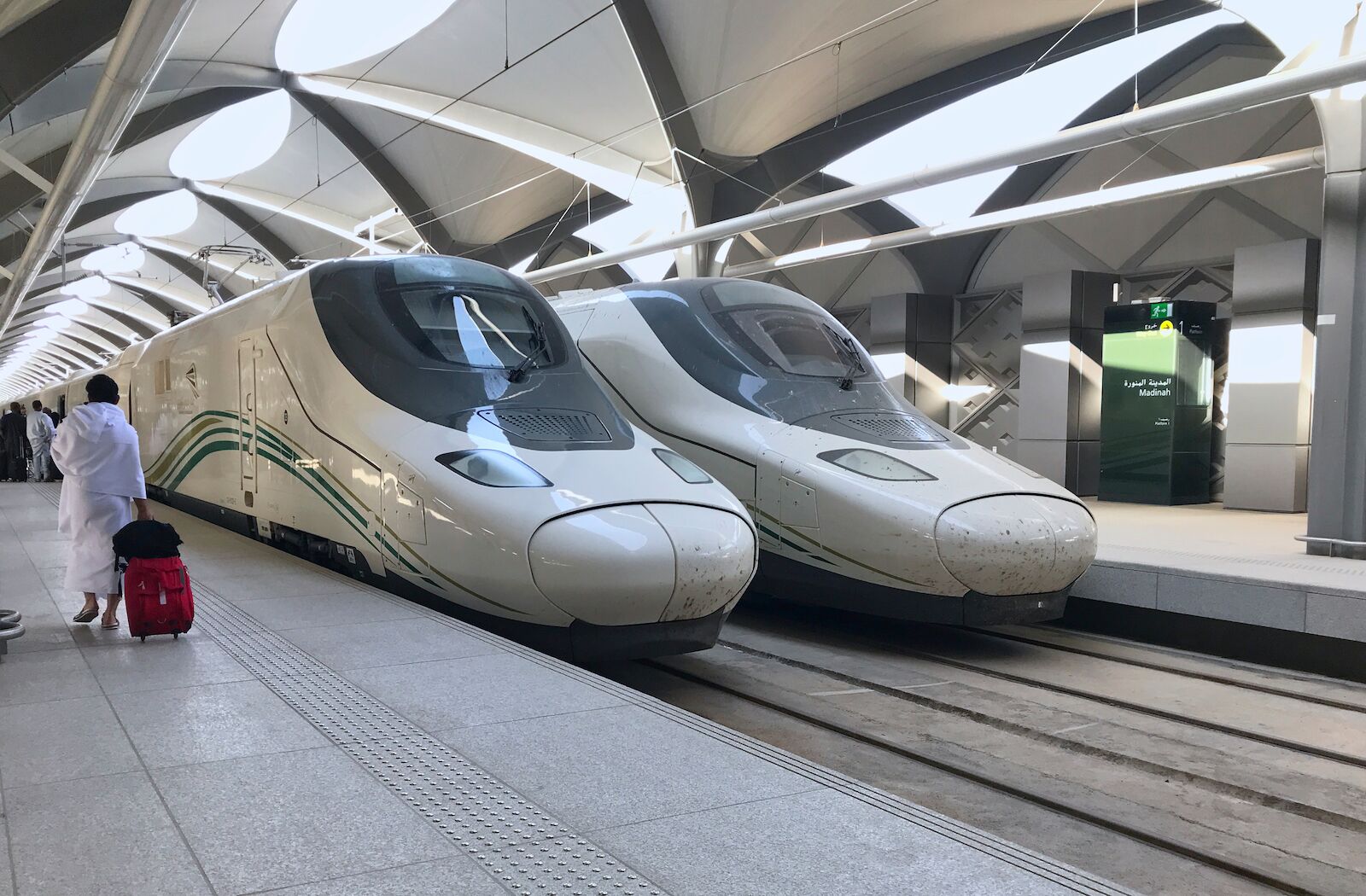
Saudi Arabia’s Haramain High Speed Railway
By backing industrial supply chains, mining activities, as well as commercial logistics, the rail network helps reduce road congestion and carbon emissions, while reinforcing its position as a cornerstone of sustainable national development in line with Vision 2030.
Haramain Sets a Global Standard
The Haramain High-Speed Railway has established itself as a global benchmark in high-speed rail travel. Extending across 450 kilometers, the railway links Mecca, Medina, Jeddah, and King Abdullah Economic City, reaching speeds of up to 300 kilometers per hour.
Passengers can enjoy a travel experience marked by speed, luxury, and safety, with class options ranging from standard tourist to premium business.
Equipped with state-of-the-art technology, each train is designed to support operational efficiency, passenger comfort, and reliability. All these efforts are further positioning the railway among the fastest and most advanced rail systems in the world.
How Does Haramain Simplify Booking?
Interestingly, passengers enjoy an extraordinary array of convenient ticketing options, from an intuitive online platform and a dedicated mobile app for managing bookings to physical service counters at all major stations.
With these multiple channels, the railway accommodates varying passenger preferences while making travel planning more seamless.
As for peak periods, particularly Hajj and Ramadan, the ability to secure tickets in advance has become an important element in managing demand and ensuring a smooth travel experience.
How Is Haramain Transforming Pilgrimage?
Perhaps the Haramain Railway’s most significant impact can be seen and tested in religious tourism.
By substantially shortening travel times between the holy cities, the railway has made pilgrimage journeys more efficient and convenient.
Pilgrims who once depended on buses or private cars can now travel comfortably and punctually, allowing them to focus on rituals and spiritual activities rather than logistical concerns.
At the same time, the railway’s connection to King Abdullah Economic City has stimulated business travel and tourism, contributing to the ongoing diversification of the national economy.
Rail Driving Sustainable Growth
Economically, the Haramain Railway, together with the broader national rail network, has driven significant growth.
From a logistics perspective, expanded freight capacity enables the faster movement of goods along key economic corridors.
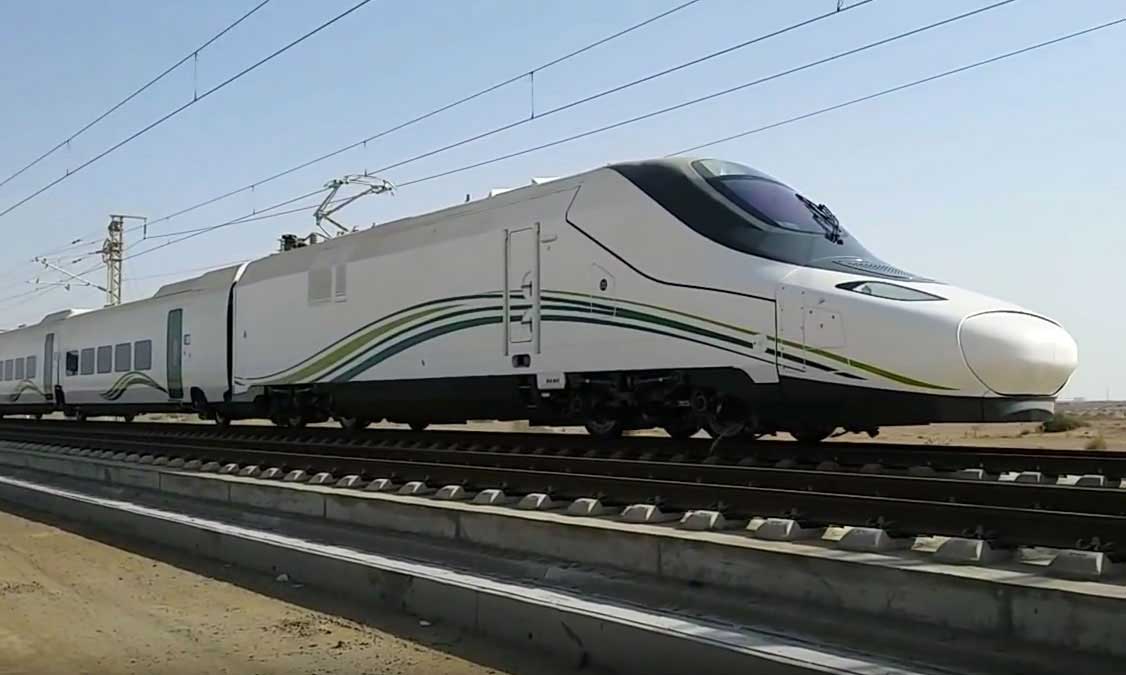
Saudi Arabia’s Haramain High Speed Railway
For industries spanning construction, mining, and consumer goods, this has resulted in lower costs, greater efficiency, and stronger competitiveness.
Meanwhile, rail transport offers notable environmental advantages over road transport, including lower fuel consumption, reduced greenhouse gas emissions, and less traffic-related congestion.
What Sets Haramain Apart Globally?
On the international stage, the Kingdom’s rail infrastructure is gaining increasing momentum.
In terms of speed, reliability, and passenger experience, the Haramain Railway stands alongside high-speed rail networks in Europe and Asia, including France’s TGV and Japan’s Shinkansen.
From streamlining religious travel and connecting with major airports to supporting emerging economic cities, the railway provides distinct advantages shaped by Saudi Arabia’s geographical, economic, and cultural context.
Shaping the Future of Mobility
The expansion of the network extends beyond intercity connections.
Urban and automated transit projects across Riyadh, Jeddah, and other metropolitan areas are expanding to address the needs of a rapidly urbanizing population.
Investments in smart rail technology, predictive maintenance, and digital ticketing platforms are further improving service reliability and passenger satisfaction.
Together, these developments reflect a broader commitment to modern, multimodal transportation, bringing rail, buses, metros, and autonomous systems together to create a cohesive, efficient, and sustainable urban mobility ecosystem.
Railways at the Core of Vision 2030
As the Kingdom continues to advance its transport and logistics infrastructure, the success of the Haramain High-Speed Railway reflects the ambitious objectives of the Saudi Vision 2030.
Railways have rapidly evolved beyond their traditional role as a means of transportation, becoming strategic tools for economic diversification, urban development, environmental sustainability, and social mobility.
By linking cities, people, and industries, the rail network has become a key pillar of national development, supporting growth while promoting the quality of life for millions of residents and visitors.
Ultimately, the Haramain Railway and the broader Saudi rail system demonstrate how strategic infrastructure investment can contribute to the national transformation.
Through speed, safety, efficiency, and connectivity, railways are redefining the travel experience across Saudi Arabia, supporting economic growth, advancing sustainability, and strengthening the Kingdom’s standing in modern transportation.
With continued expansion, technological advancement, and integration into urban ecosystems, the Saudi rail network is poised to remain at the forefront of global rail development, enabling millions of passengers to depend on a modern, high-speed, and environmentally responsible transport system for years to come.
Related Topics:
Saudi Arabia’s Date Production Hits 1.9 Million Tons in 2024, Achieves 119% Self-Sufficiency
The Kingdom’s Railways: From Aramco’s Vision to SAR’s Excellence
Saudi Economy Grows 1.3% in 2024, Led by Non-Oil Sector Boom